Skip to content
A community & visitor guide · in association with the Kotagiri Citizens' Group
Ooty
All townsThe hub

Ooty

The lake, the gardens and the toy train.

Udhagamandalam · base camp

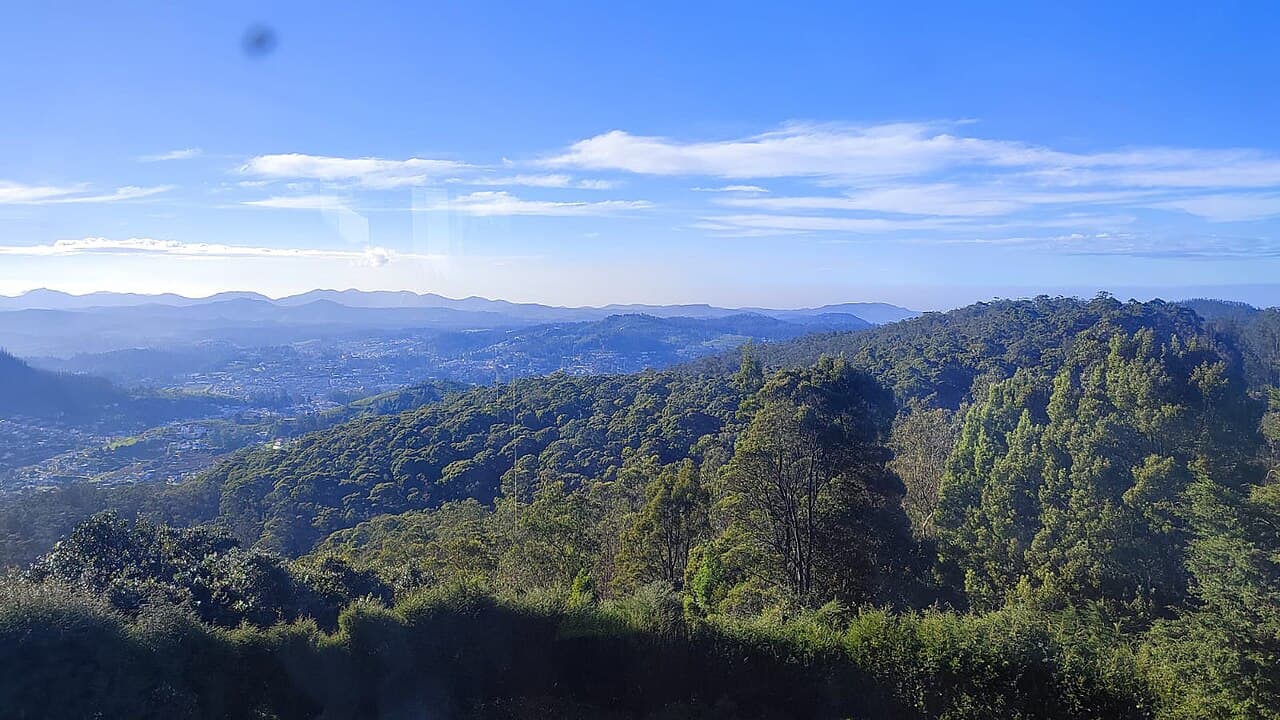
The Queen of Hill Stations — a lake, terraced gardens and a UNESCO toy train, wrapped in a century of colonial heritage and set on land the Toda have called home for millennia. Ooty is the natural base for the whole of the Nilgiris.

Elevation · 2,240 m (7,350 ft)

Highlights

Ooty Lake & boathouse

A 19th-century artificial lake at the centre of town, ringed by eucalyptus and pedal-boats.

Government Botanical Garden

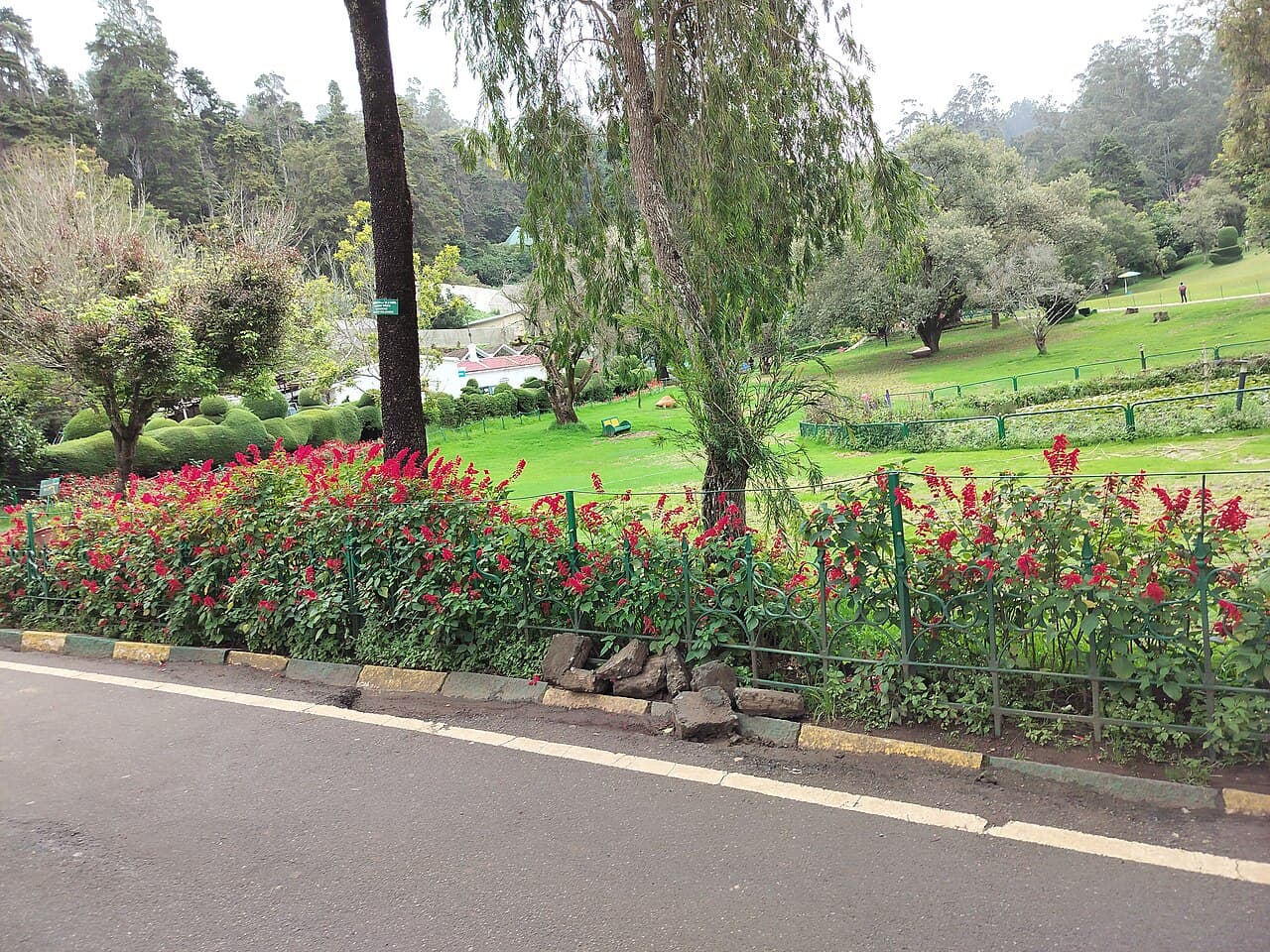
Terraced lawns, a fossilised tree and the annual Summer Flower Show every May.

Nilgiri Mountain Railway

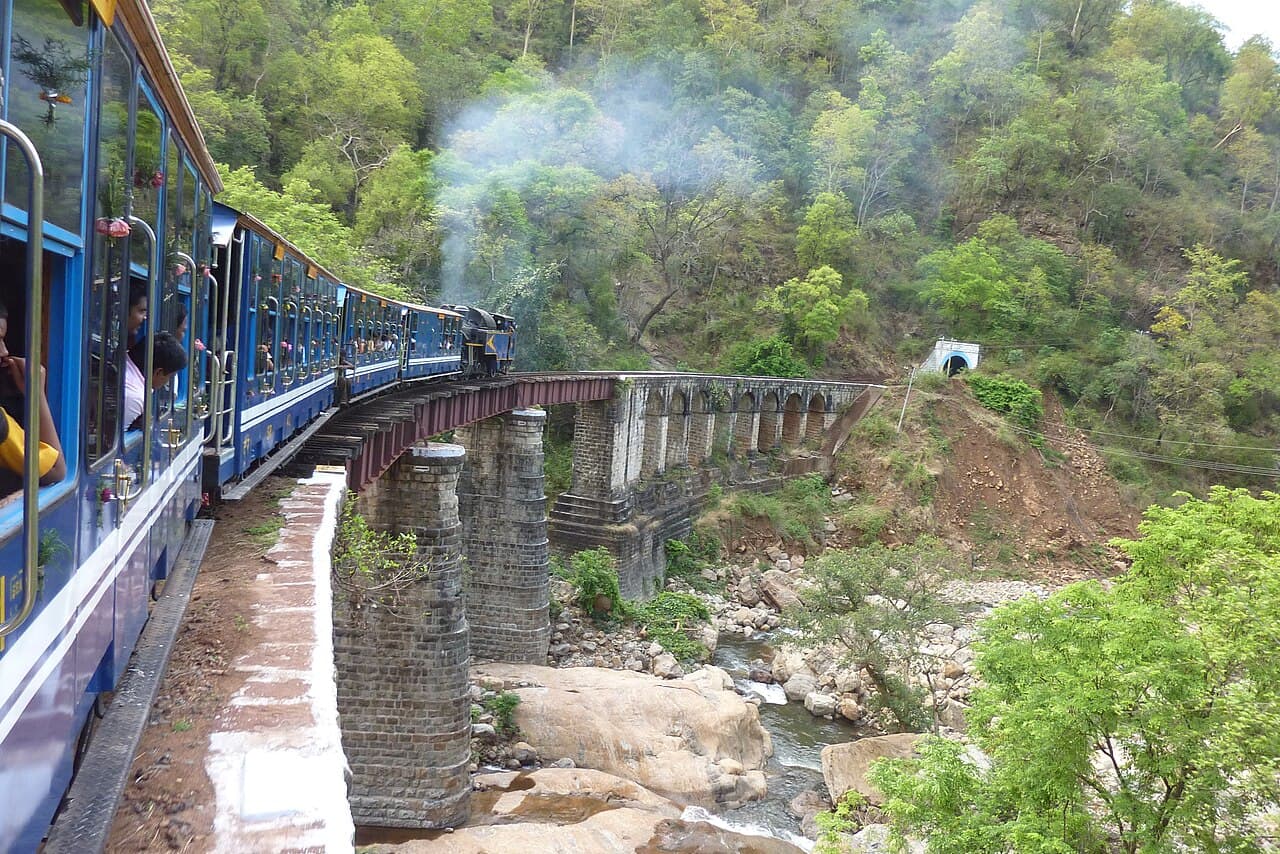
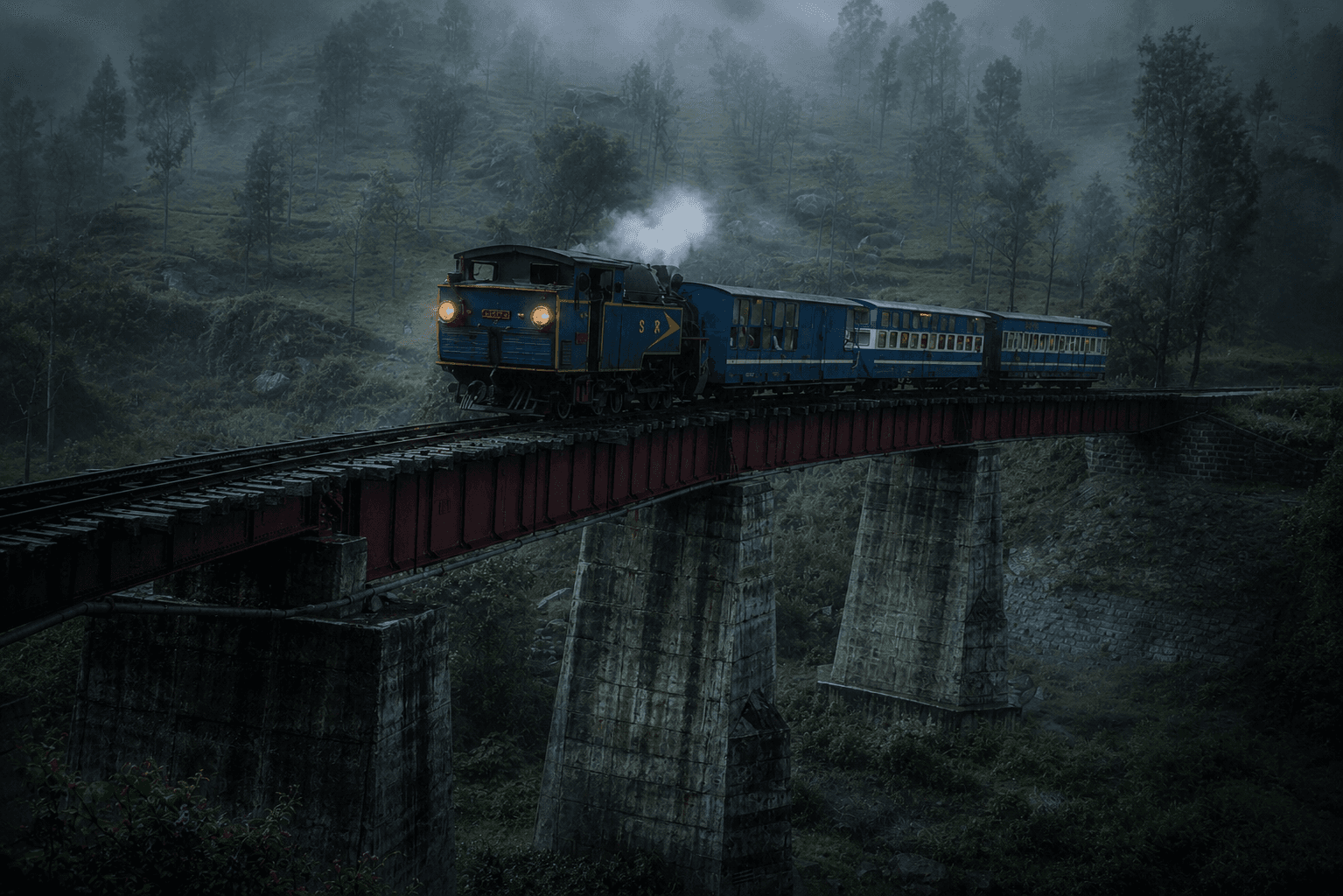
The UNESCO-listed steam toy train climbs from Mettupalayam through 16 tunnels to Ooty.

Getting there

Railhead at Mettupalayam (NMR toy train) or road via the Kallar ghat from Coimbatore (~85 km).

The story

A hill station built on Toda land

The upper Nilgiri plateau was never empty wilderness. For thousands of years it was home to the Toda and four other indigenous communities, long before the East India Company's John Sullivan first climbed the hills in 1818. Sullivan bought land from the Toda, built the first European house — the Stone House — in 1822, and dammed a stream to create Ooty Lake.

Captivated by the cool, temperate climate, the British developed Ooty as a sanatorium and, before long, the summer capital of the Madras Presidency. Each hot season the administration decamped here, the Governor residing at Government House. The town became a municipality in 1866 and the Nilgiris a separate district in 1882.

That colonial century left a distinctive skyline: St. Stephen's Church (1829, built with teak salvaged from Tipu Sultan's palace), the Lawrence School at Lovedale (1858), and the Ootacamund Club, where the rules of snooker were first codified in the 1880s.
The etymology of 'Ooty' (from a Toda name) is genuinely uncertain; snooker was devised in Jabalpur in 1875 and its rules codified at the Ooty Club, rather than invented here.

The toy train

Ooty is the mountain terminus of the Nilgiri Mountain Railway, a UNESCO World Heritage Site and the steepest railway in Asia. Opened in stages between 1899 and 1908, it climbs roughly 1,900 m over 46 km from Mettupalayam through 16 tunnels and around 250 bridges.

On the lower section it is the only rack railway in India — a toothed central rail gripping a cog beneath vintage Swiss-built steam locomotives. The full ascent takes nearly five hours; the scenic Coonoor–Ooty leg is the easiest to sample if you are short on time.

Getting around

The nearest airport is Coimbatore (~88 km, about three hours by road via the Mettupalayam ghat); Mettupalayam is the railhead and the start of the toy train. Central and well-connected, Ooty is within easy reach of Coonoor, Kotagiri and the high-grassland reserves.

Come April–June for the warm season and the May flower show, or October–February for crisp, misty, quieter days. Pack warm layers year-round — nights are cold — and expect heavy rain during the July–September monsoon.

Things to do nearby

Lake
Ooty Lake

Ooty Lake

All year

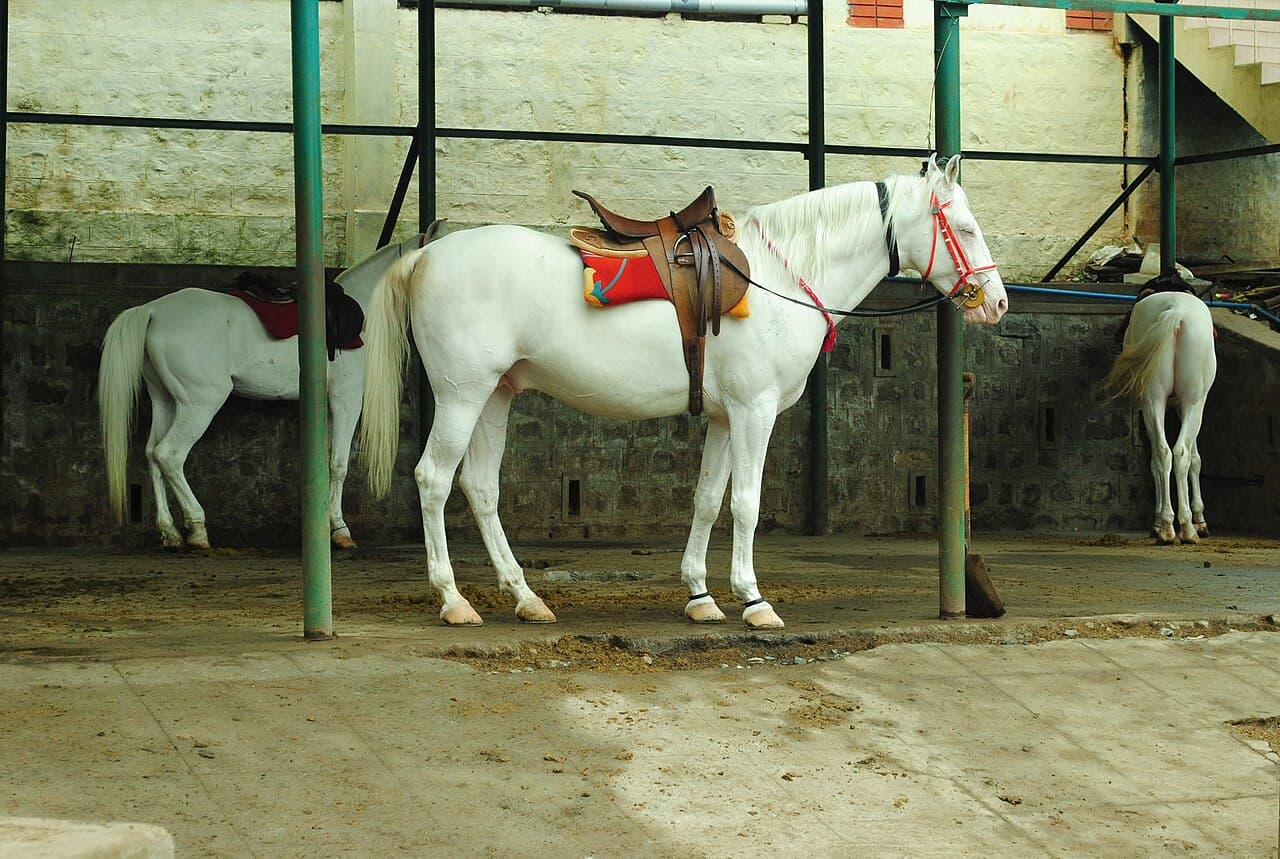
Pedal-boats and pony rides around a 19th-century lake at the centre of town.

Garden
Government Botanical Garden

Government Botanical Garden

Best in May

Terraced lawns, glasshouses and the annual Summer Flower Show.

Viewpoint
Doddabetta Peak

Doddabetta Peak

Clear mornings

The highest point in the Nilgiris (2,637 m) with a telescope house at the summit.

Heritage
Nilgiri Mountain Railway

Nilgiri Mountain Railway

All year

The UNESCO-listed steam toy train from Mettupalayam — book the Coonoor leg ahead.

Nature reserveOff the beaten path
Avalanche Lake & Shola

Avalanche Lake & Shola

Sep–Mar

A trout stream, rhododendron shola and grasslands deep in a reserved forest south-west of Ooty — visited only by forest-department jeep.

Nature reserveOff the beaten path
Upper Bhavani

Upper Bhavani

Oct–Mar

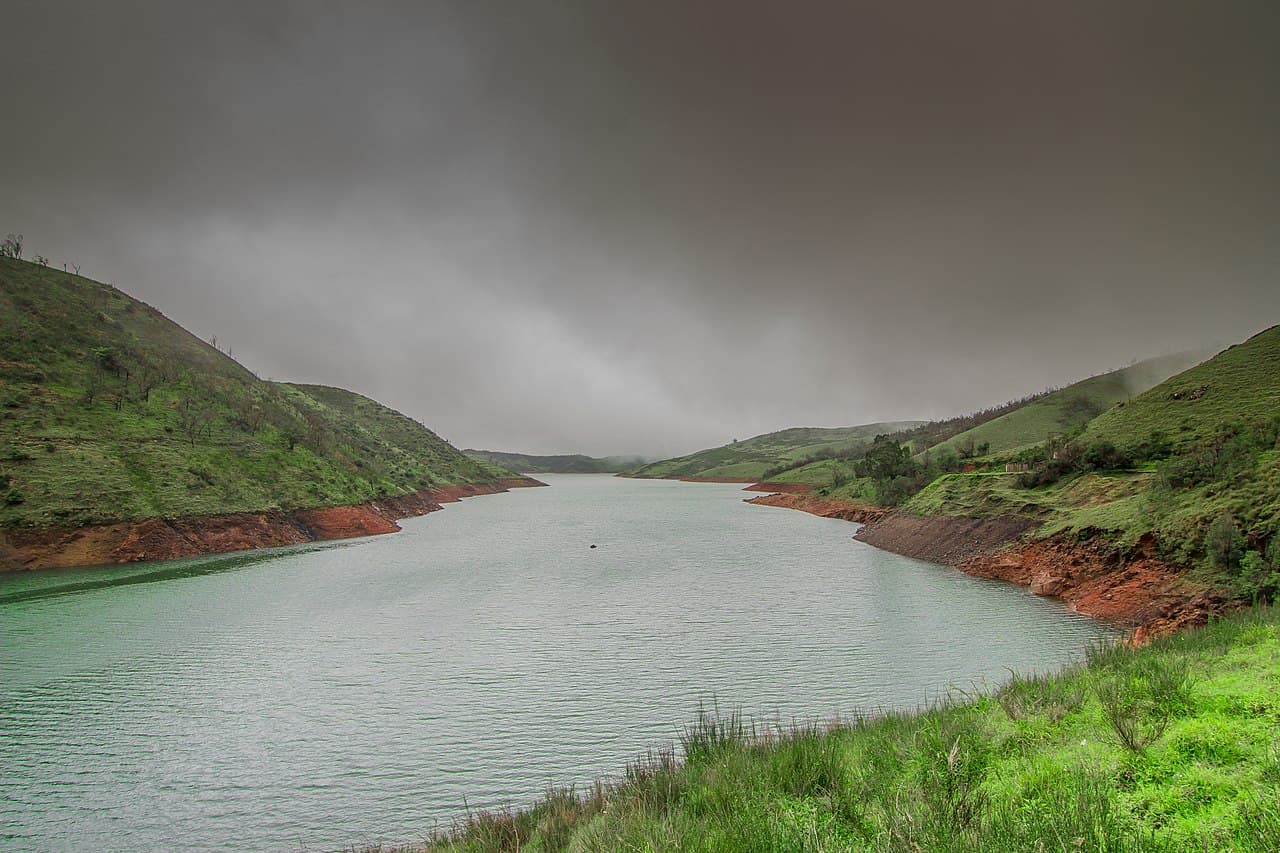
A remote reservoir on the edge of Mukurthi, ringed by high-altitude shola — one of the last refuges of the Nilgiri tahr.

LakeOff the beaten path
Emerald Lake

Emerald Lake

Sep–Mar

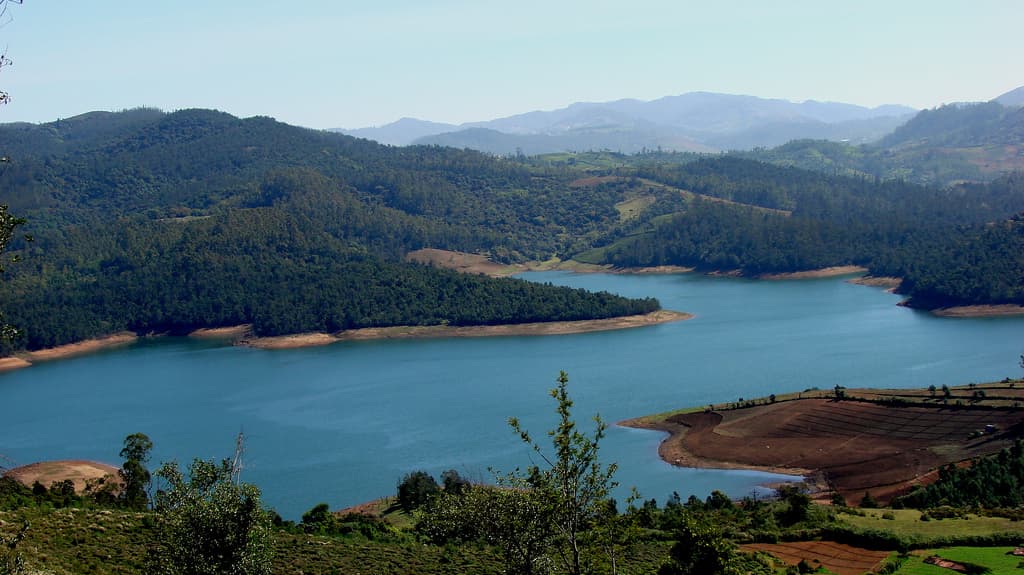
A quiet reservoir in the Silent Valley–facing 'Emerald' valley, framed by tea and eucalyptus and far from the day-tripper crowds.

Waterfall
Pykara Lake & Falls

Pykara Lake & Falls

Post-monsoon

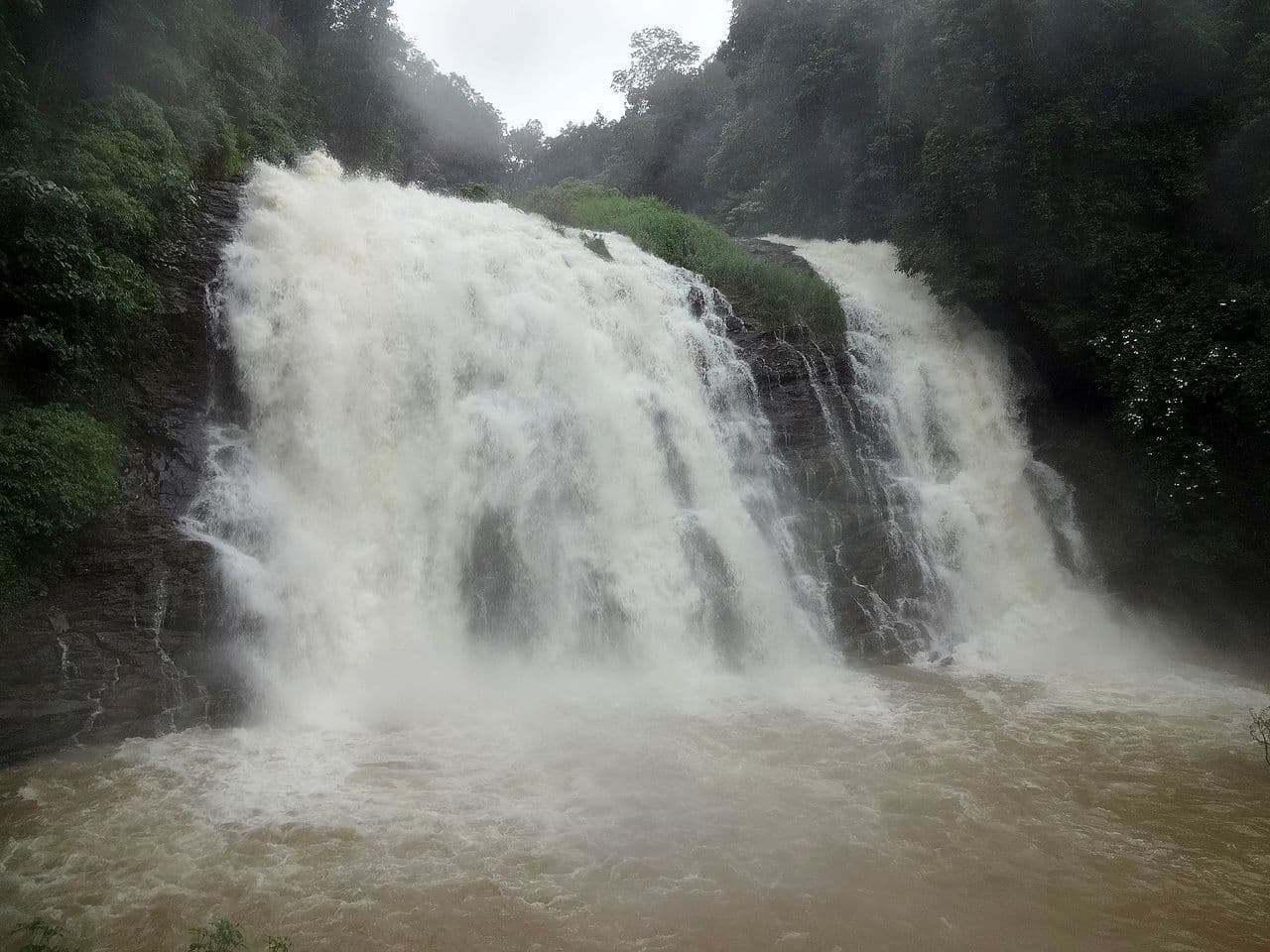
A boating lake and a stepped waterfall on the sacred Pykara river, set among some of the finest shola-grassland on the Ooty–Gudalur road.

Nature reserveOff the beaten path
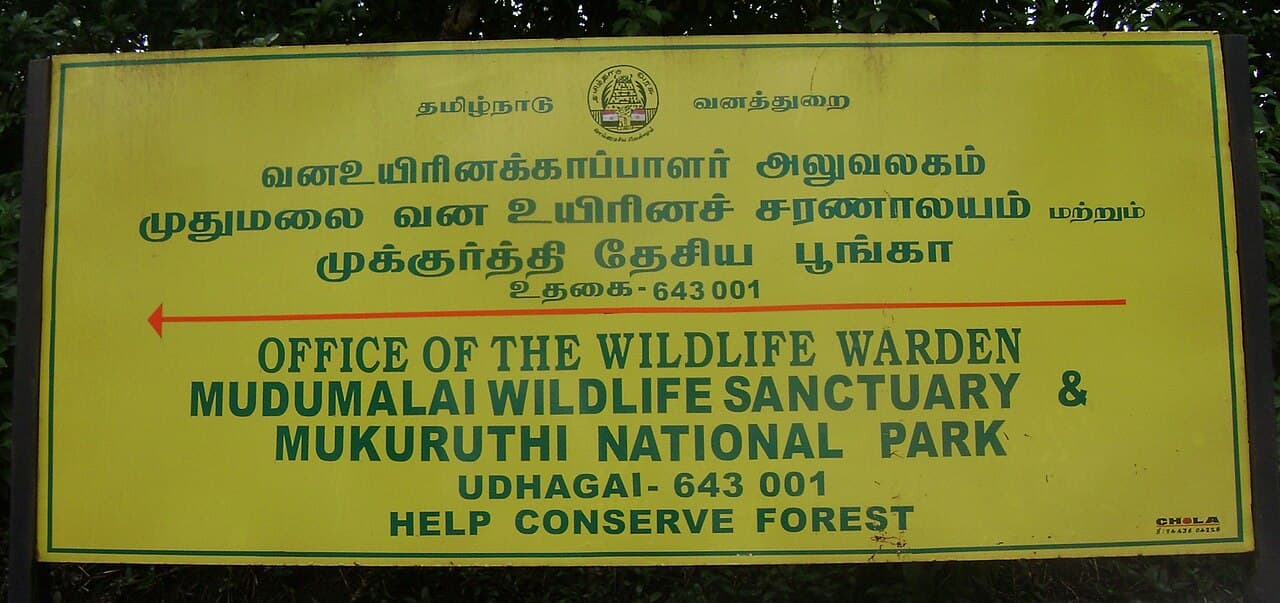
Mukurthi National Park

Mukurthi National Park

Feb–May, Sep–Oct

A high-altitude park of rolling grassland and stunted shola, the heart of the Nilgiri tahr's range and a core zone of the Nilgiri Biosphere Reserve.

Viewpoint
Wenlock Downs & 6th Mile

Wenlock Downs & 6th Mile

All year

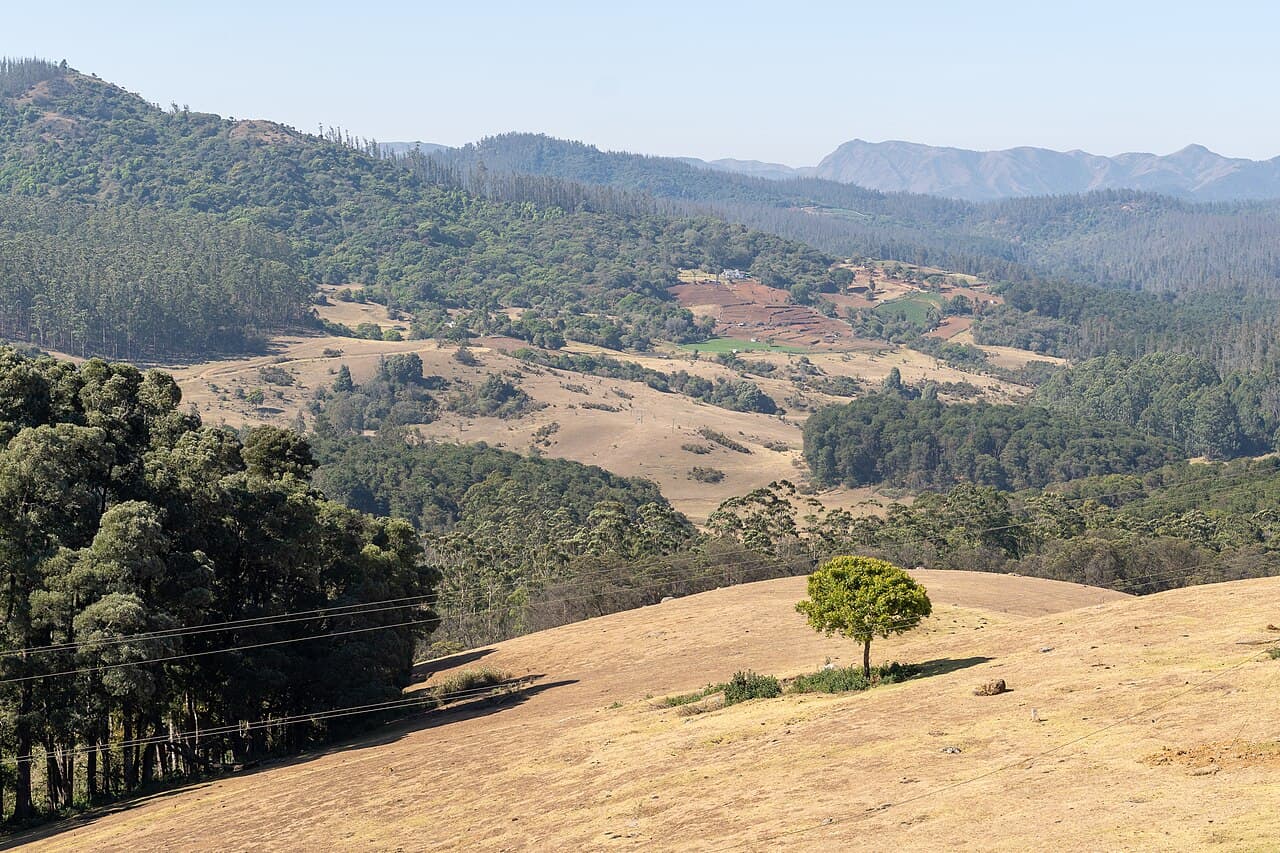
Open rolling downs of grass and lone shola clumps — the '6th Mile / Shooting Point' is the most filmed landscape in the Nilgiris.

ViewpointOff the beaten path
Glenmorgan

Glenmorgan

Sep–Mar

A tea-estate hamlet above the Pykara powerhouse, with a disused winch railway and a view down a forested gorge to the plains.

WaterfallOff the beaten path
Kalhatti Falls

Kalhatti Falls

Post-monsoon

A 100-foot fall on the old Sigur ghat below Ooty, in dry-deciduous forest where elephants and gaur range up from Mudumalai.

WildlifeOff the beaten path
Sigur Plateau & Mudumalai Safari

Sigur Plateau & Mudumalai Safari

Oct–May

Below the Kalhatti ghat the hills fall away into the Sigur plateau — one of South India's great elephant corridors and the gateway to Mudumalai Tiger Reserve, where dawn and dusk jeep safaris run through dry-deciduous forest.

Scenic driveOff the beaten path
Kalhatti Ghat — 36 Hairpin Bends

Kalhatti Ghat — 36 Hairpin Bends

Oct–May (daylight only)

The steepest motorable ghat in South India — thirty-six tight hairpin bends dropping from Ooty's montane grassland into the dry Sigur forest in just a dozen kilometres, with elephants ranging across the lower curves.

Scenic driveOff the beaten path
Manjur–Geddai–Korakundah Backroad

Manjur–Geddai–Korakundah Backroad

Oct–Mar

A near-empty backroad into the Kundah high country — steep hairpin climbs past Manjur, the Geddai valley and dam, and Korakundah, billed as the highest tea estate in the world, before joining the Avalanche and Upper Bhavani country.

ViewpointOff the beaten path
Geddai Valley Viewpoint

Geddai Valley Viewpoint

Oct–Mar

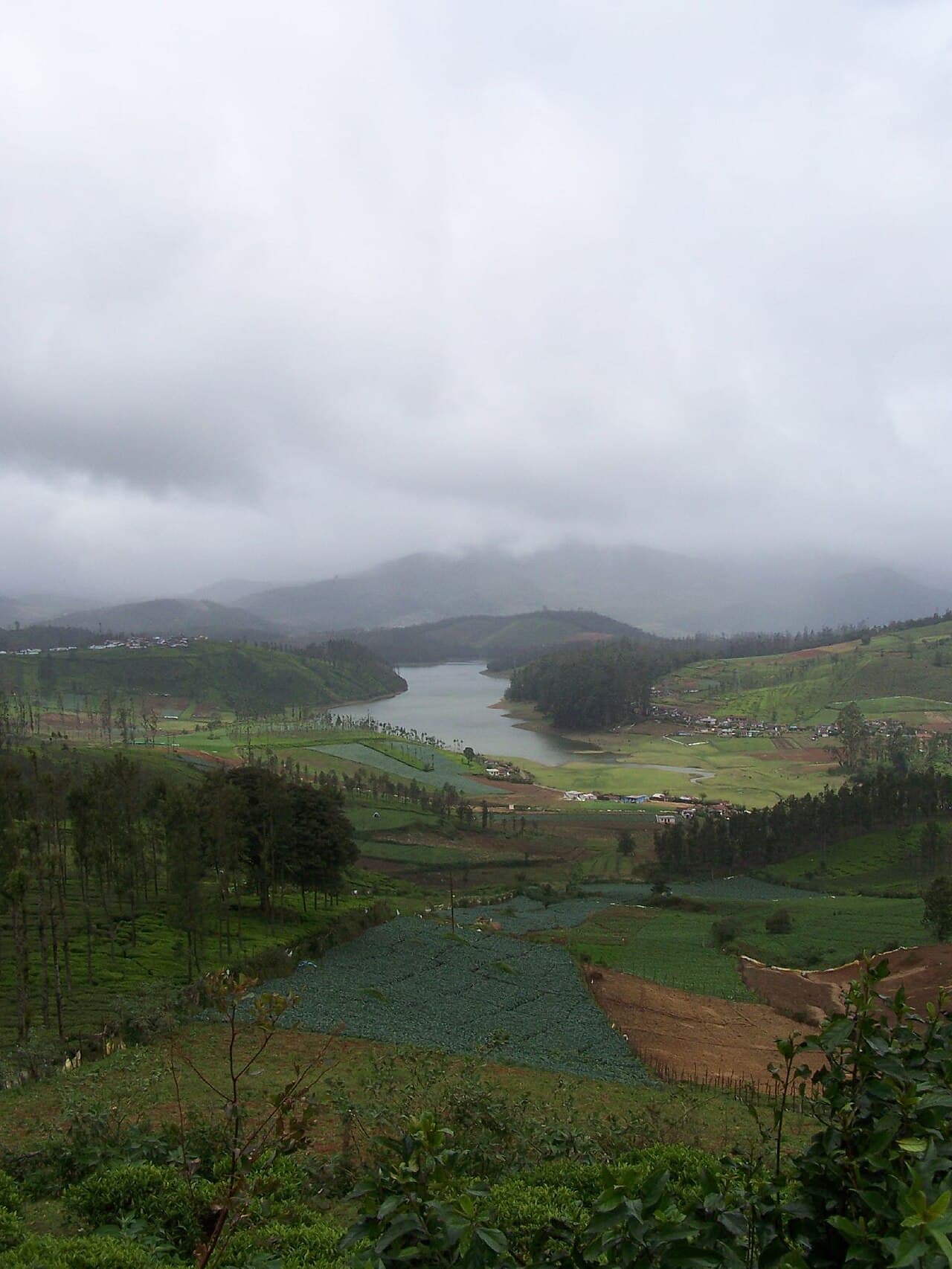
A quiet pull-off above the Geddai dam in the Kundah valley — misty tea slopes, a still reservoir and layer on layer of hills, with almost none of the crowds of the Ooty viewpoints.